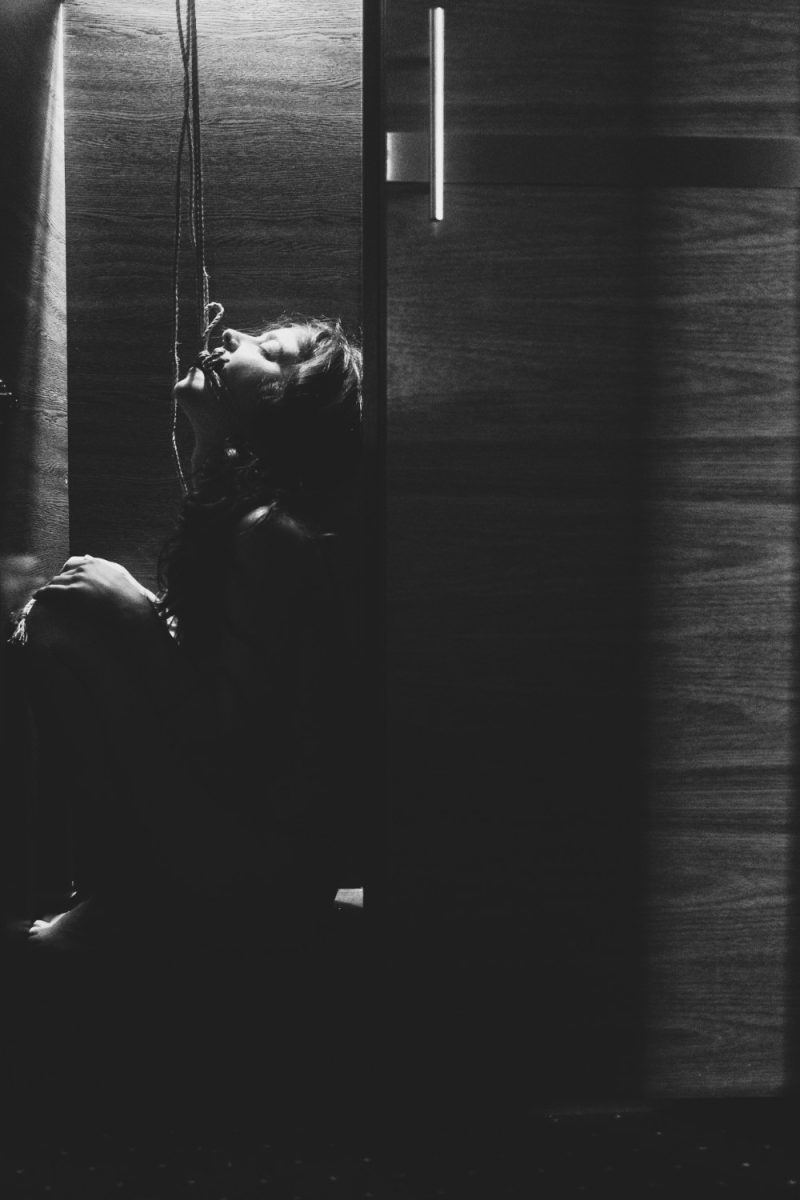
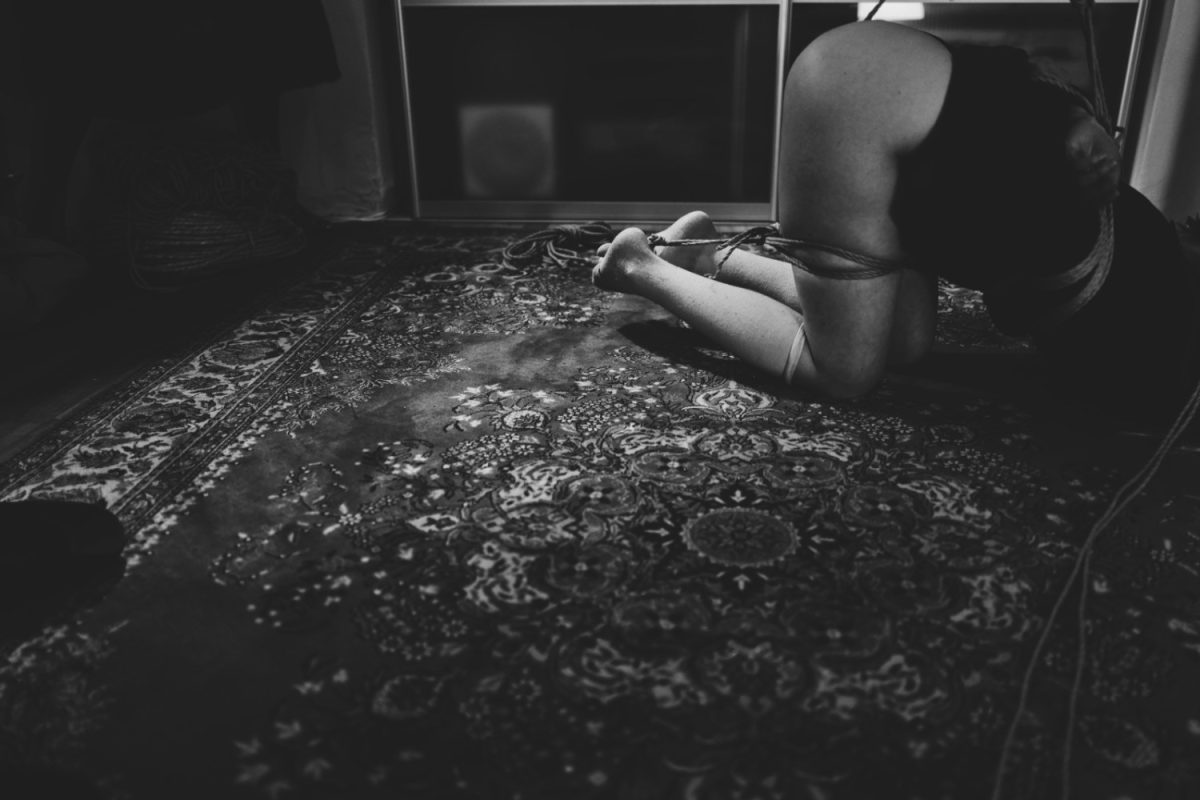
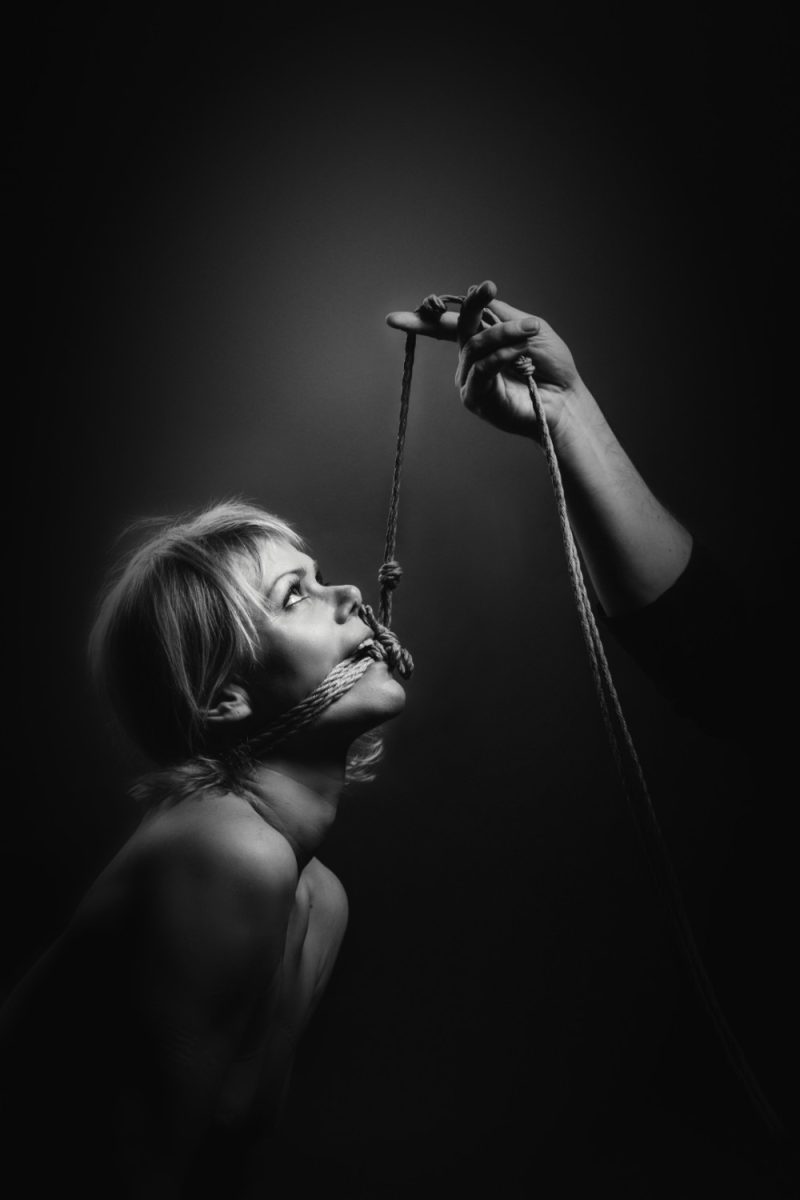
The necessity of edging and playing with the symbolism of death (Evening), Stockholm

November 25, 2024 @ 7:00 pm 11:00 pm

Welcome to a series of three evening workshops on sadomasochism and the esoteric eros. I aim to provide one continuous narrative about what power play can be, experienced through play and ritual. Each evening offers a series of exercises or frames for play that I’ll first demonstrate and that you will get to reenact with others under my guidance afterwards. For me, every sadomasochistic technique comes with a play (or ritual), and learning the technique (the easy part) without experiencing the play (the hard part) doesn’t make sense—it’s in the play the magic happens. I aim to offer a learning experience through practice and experimentation rather than lectures. Still, I’ll reference my book Rituals and Paradoxes to explain one possible theory behind the practices. You can attend in a fixed constellation (duo, trio, etc.) or come solo and maybe find someone to work with during the evening; however, you might end up observing, as I won’t assist (or force) anyone in partnering up or joining any practice. There is no requirement for previous experience with sadomasochism or the esoteric eros; however, if you are unused to participating in these kinds of experiential workshop structures, I recommend attending with someone you already know and feel safe with

If you have not attended Andy Buru’s events before, please refer to this text about Freedom and Responsibilities to better understand what to expect and what is expected.

Monday, November 4th. Embodied trust, embracing power dynamics and finding vulnerability as the queen of mother fucking everything.

To be intimate, you must be vulnerable; to be vulnerable, you must trust. We will balance listening and challenging to build trust, starting in the body and moving through the experience of self, and finally, maybe ending in devotion. Later, we will explore sadomasochistic power dynamics as a modality for intimacy and, eventually, the idea of the vulnerable dominant to become more than just a shibari or flogging amusement park.

Monday, November 18th. Making ritual and animalistic play and potentially/eventually switching the power dynamic.

Play exists in between the animals and the gods. Gods are divine and elegant with their refined rituals. Animals, on the other hand, are carnal and instinctual in their lusts—hunt-fuck-kill. But it all begins with deeply caring and, as the dominant, overtaking and controlling the most basic needs of the submissive—food-sleep-hygiene—symbolically for now, to then reawaken the animal. There is a grand opportunity for switching here if one is attentive to the cues and brave enough, but of course, it’s not mandatory. This workshop is not possible if you are allergic to oranges.

Monday, November 25th. The necessity of edging and playing with the symbolism of death.

As the dominant, if you can be vulnerable enough to focus on your direct deviant pleasures—compared to indirectly getting off on your submissives rumbling orgasms—then you must learn how to edge yourself. Because once it’s completed, it’s over, and we don’t want that. Delaying and being minimalistic makes less into more. You, your partner and the situation become intensely sensitive. How much can you hold, in trust and intimacy, before you need to get out? However, at the same time, time is limited, and the number of sessions between two lovers is not endless. And you never know when it will end. So, what is really meaningful in your play? And how much can you delay that?

These events occur in a secret location with plenty of space at St. Eriksplan. Due to steep stairs, the workshop space is not accessible by wheelchair. Additionally, expect loud sounds from people and music, silence, eye contact, movement, walking, crawling, rolling, and lying on the floor. Physical contact will only happen with prenegotiated but often non-verbal consent. If your body needs a softer padding, please bring a yoga mat, knee pads or something similar. If you are concerned about your ability to participate, feel free to reach out beforehand because it’s often possible to find modification with a little effort and sacrifice.

Please bring primarily comfortable clothes for movement. However, if they make you feel extraordinary, that’s a most welcome bonus. You can bring toys, like whips and ropes, if you are already fluent in using them. There are better occasions to learn a new flogger.

The doors open at 18:00 and are locked when the workshop starts at 19:00. We aim to end at 22:00, but we might be a little delayed from time to time. Afterwards, there might be time for socializing until 23:00.

Price per person.

All three workshops, 800 SEK.

Solo workshop, 400 SEK.

Get your ticket now….

Or buy three times for the price of two….

What does it mean?

More information below…

60%
ROPE

20%
SM

10%
RITUAL

10%
PARTY

Est. 2017
Why I keep teaching bondage

What happens to a teacher and student when technical mastery becomes boring? I spent ten years perfecting Japanese bondage, patterns, suspensions, sequences et al., after discovering rope in Tokyo in 2004. But perfection is a dead end. So I dove into what rope was really teaching me: the paradoxes of desire, the vulnerability of power, and the delicacy of shame. I found similar principles in the shadows of tea ceremonies, flower arrangements, martial arts—the unseen curriculum of Japanese aesthetics. In surrender, I return to where I started, rope in hand, to unveil what sadomasochism and the esoteric eros are really about.

P.S. It’s still a bonus if you like rope bondage!

Surrender is to trust, to let go and to fall—trusting that one will be caught by life, by love, by wonder, by another. Surrendering brings great pleasure when one learns to let go of controlling the body, the emotions, and the ego and devote oneself to something greater. It’s as applicable in lovemaking as well as in life in general. But unfortunately, there is an overvaluation of power in today’s society, and everyone is fighting for it, while surrender is undervalued.

Moreover, surrender touches upon masochism, physically enjoying endorphins rushing through the body and emotionally letting go of shameful limiting beliefs. The most basic idea I learnt from Zen Buddhism is that bliss emerges when we stop fighting and accept life as it is, and then there is no suffering. Before psychology considered masochism a disease, religion thought it to be the cure. And I think there is something to that when it’s conscious and consensual. In my experience, anyone can enjoy or at least find this exploration meaningful when it’s slow enough and well-balanced between safety and bravery.

Surrender traditionally belongs to the feminine aspect of the esoteric erotic polarity, but I’m convinced that it’s essential for everyone of any (and no) gender. Incorporating it into oneself can simply tickle one’s curious approach to life or become a life-long artistic endeavour, critical self-development, or passion for lovemaking. While teaching surrender, I also indirectly teach how to hold space for another’s process of letting go. Participants describe it as intimate, vulnerable and trusting. And it makes them more resilient to the hardships of life.

Sky and earth

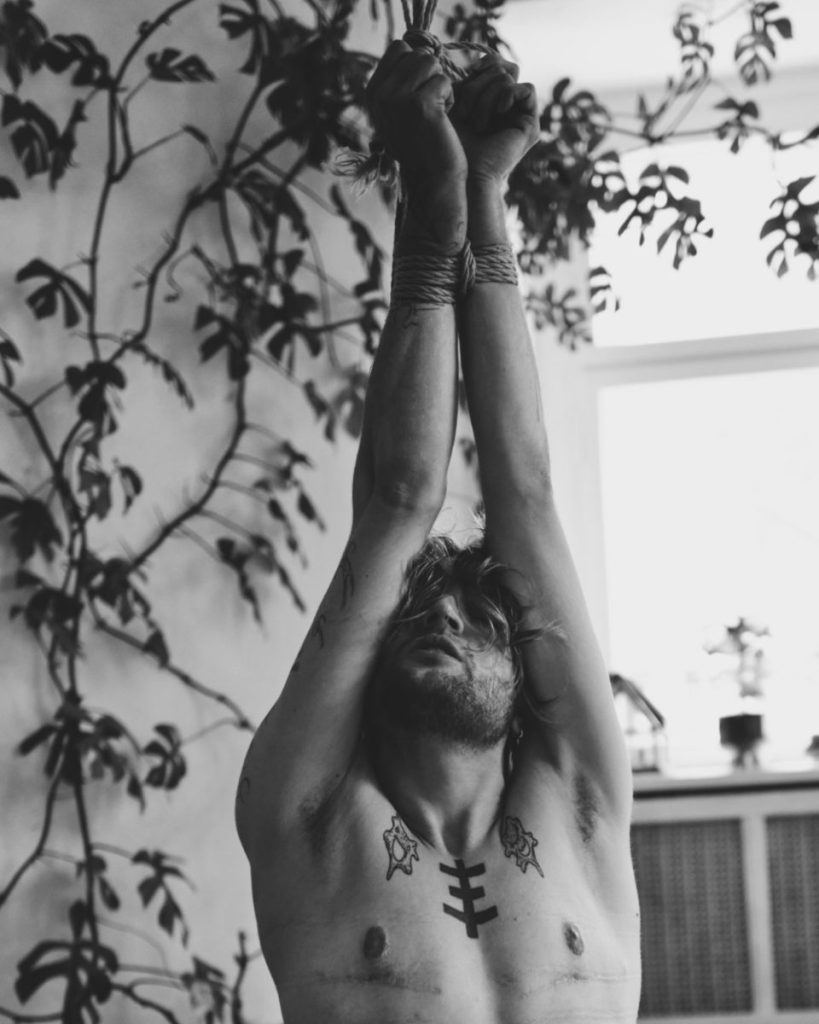
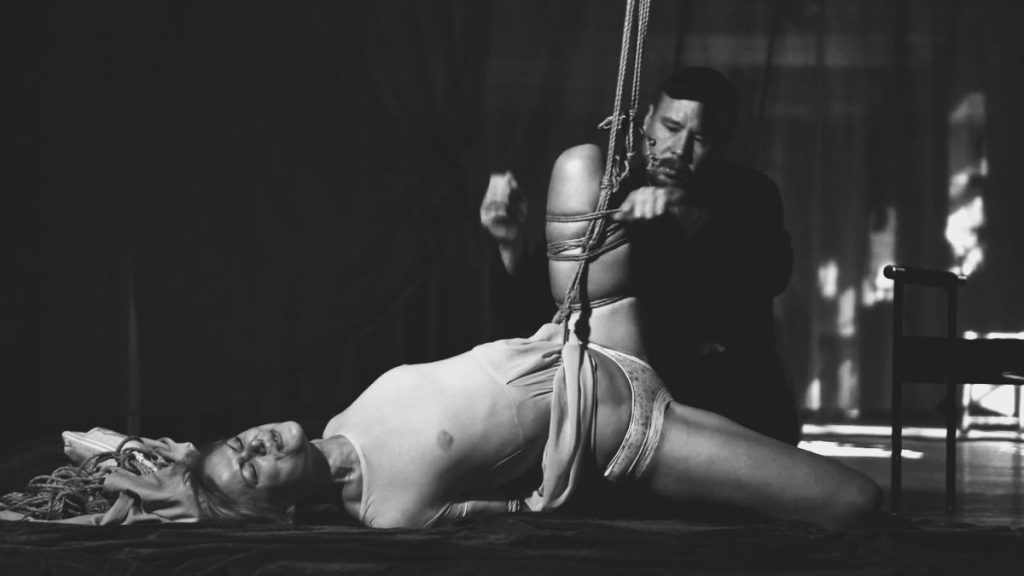
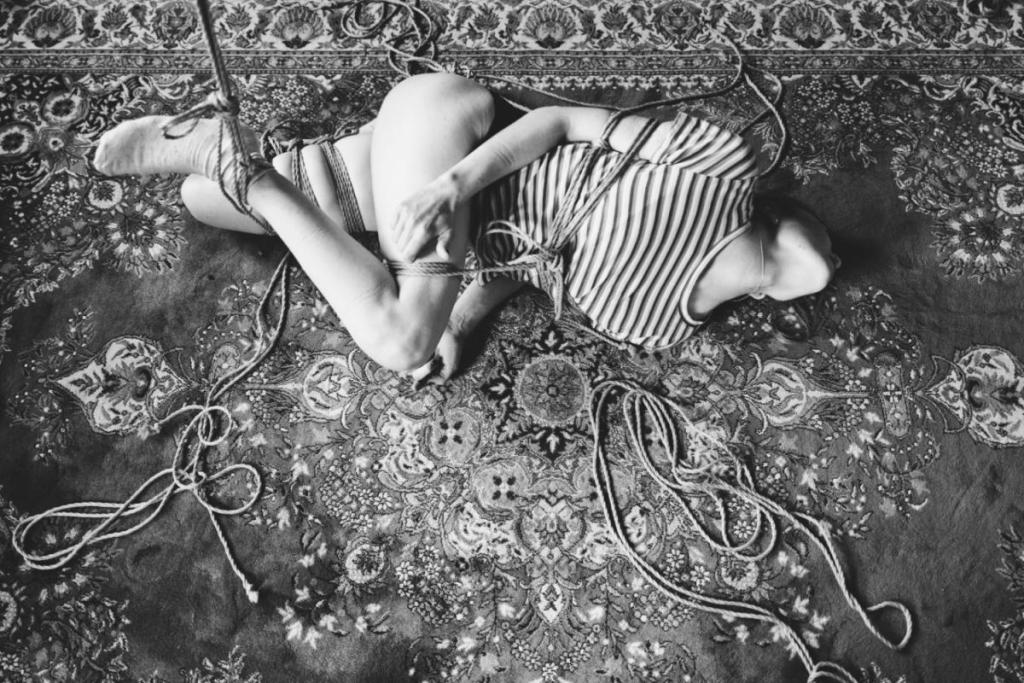
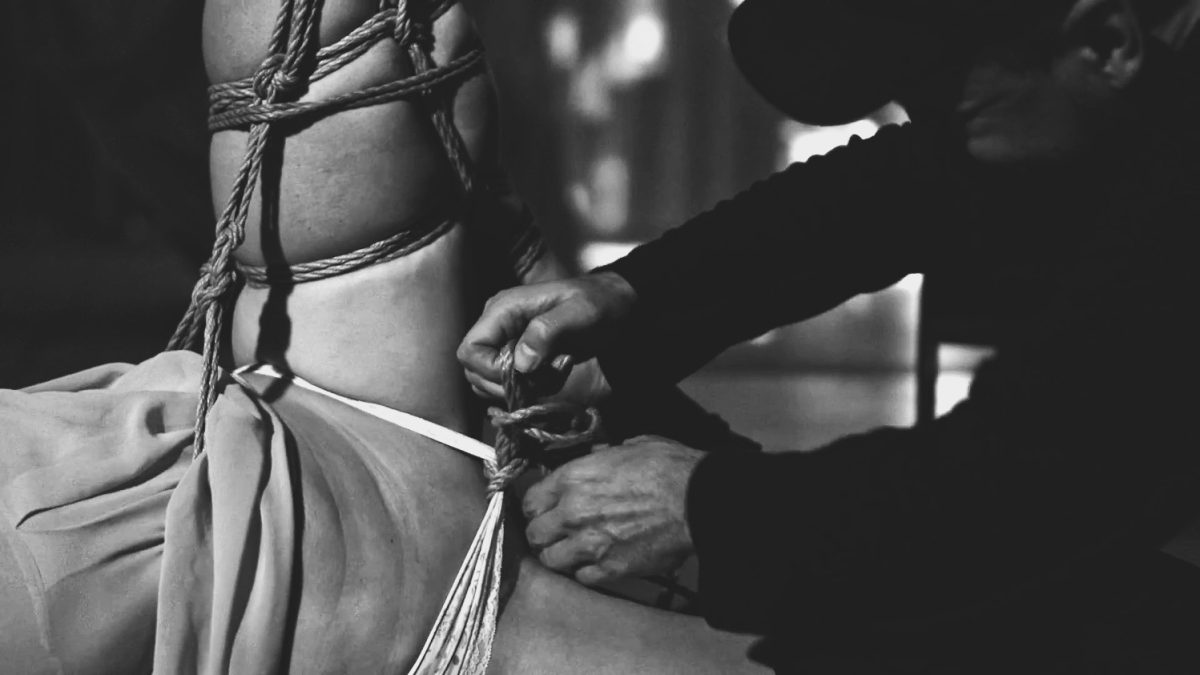
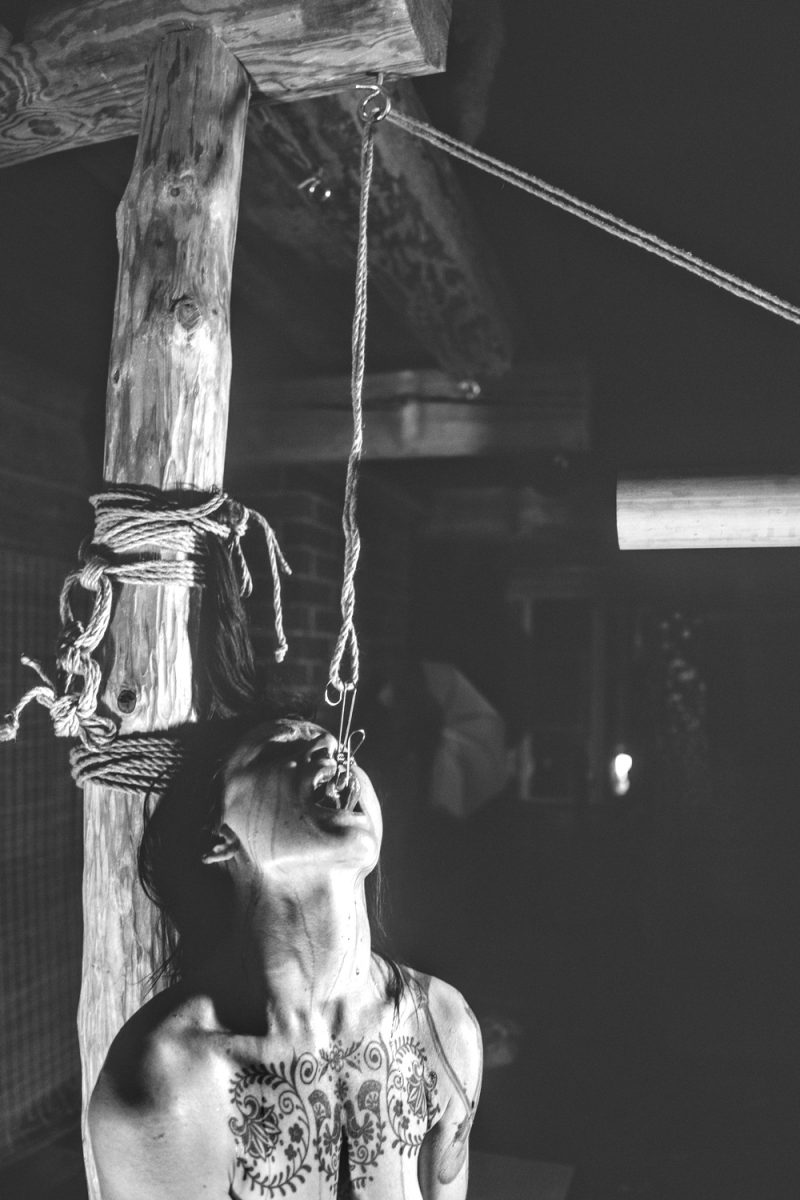
As rope bondage is the primary modality for my way of teaching surrender, I offer it in two different variations, earth and sky. The difference is in the technicalities of patterns and positions. The sky variation always works with an external anchoring point, like a pillar, beam or piece of furniture, and more closely mimics the aesthetics of the late 20th-century Japanese masters. It invites the intensity of gravity and the exploration of physical distance with emotional intimacy, where the rope, as a material, becomes the third lover in this ménage à trois. In the earth variation, on the other hand, the rope is the cord tying two hearts together, philosophically speaking. There is no use of external anchoring points, and every movement is solely a power play, a reenactment of the eros between two beings, so instead, the aesthetics are more that of tango meets butoh meets aikido. It uses body weight and pressure for intensity and emphasises physical intimacy. Both variations are available to beginners after a short, free online course, but of course, knowing how to tie beforehand will unravel more subtle details and advanced interpretations.

Below is some inspiration for reading and packing in preparation for Surrender.

– a minimum of 3 lengths of rope—suggestively 5mm thick, seven-meter long in jute material

– 3 extra lengths of rope plus suspension gear, like a handful of carabiners and a climbing sling—if you are doing the SKY variation

– a strong stick—one-and-a-half meter long—if you are doing the SKY variation

– another 3 bonus lengths of rope—because it’s always good to have some extra

– a piece of cloth that can work as a blindfold—sometimes called tengui in Japanese, but any fabric will do

– something to cut your rope in the case of an emergency

In order to join any group process on the theme Surrender you must know a basic single column tie, how to extend rope and basic rope handling skills. You can learn it in my Online School for free (or elsewhere).

50%
SM

30%
RITUAL

20%
PARTY

0%
ROPE

Est. 2019

Five year celebration foreword

Five years have passed since I first taught on power, and while the theme has remained the same, the structure is constantly evolving. But maybe, more importantly, the participants change—not only who attends the group process but, more importantly, how they attend. The difference is most noticeable in the brave and loyal returnees, who know that the esoteric eros always has new mysteries to unfold if one is present and patient enough. In a way, it’s like a game of edging—coitus reservatus—to retain the energy within oneself—to ride the high, higher and higher—with no goal other than to remain in the power play. If I, as the dominant, would instantly reach for my ultimate desire, our scene would end shortly—even prematurely, I would argue. If the pain and pleasure intensified too rapidly, or if I would unearth every fetish and fantasy I ever had, basically spurting the last drops of life, metaphorically speaking, of course—no more mystery would remain.

Instead, I practice slowing down, feeling more with less. I elegantly refine myself to become more than an eager teenager. But the temptation is always there, taunting me to lose control. The slaves seduce me with their obedience, the sluts with their willingness, and the nymphs with their innocence. Of course, I can give up, fall from power, and let myself surrender—then we switch roles. Or I can attempt to remain, teasing myself indefinitely in these ritualic plays of the esoteric eros. How can I do that as the dominant without losing my vulnerability? Without numbing out my emotions, without losing my deviant creativity, without burning out as a give-always-and-only kink dispenser. We relentlessly keep exploring this paradox of power, and that exploration is my invitation to you. 

Original introduction

Power, as a dominant, is vulnerable, as one has to expose their desire. The more deviant and taboo, the scarier it is, but still, both mainstream media and the sadomasochistic subculture overflow with caricatures of emotionless masters and mistresses hiding behind their cruelty. Instead, I think one should blossom in their raw self-expression. Power is an opportunity to explore new avenues of esoteric intimacy that are profoundly energetic and sensual. Far beyond plain and mundane fucking. Learning to wield and surrender to power consciously and consensually requires a great understanding of one’s boundaries and being safe and brave enough to reject anyone overstepping them. At the same time, one should be humble and have humour; anyone that has to assert their power with violence doesn’t own it.

Power is given to someone that deserves it because of their deviant creativity, rocksteady presence, and ability to create magical spaces. Discovering one’s very personal dominant persona is a journey which will significantly affect what kind of submissives they will attract. Luckily sadomasochism overflows with expressions of power, and there are several rituals to practice and embody. And learning the symbolism of fetish items is a priceless tool for this transformation. Being dominant is a paradoxical balance between holding space and being selfish. Holding space is learning how to create a safe container for oneself and others to play with power while being selfish is expressing desire.

But eventually, one realizes that the real key is to stop ‘the doing’ and simply be dominant and do as one pleases as if it is the most natural thing in the world. As dominance belongs to the masculine aspects of the esoteric erotic polarity, mastering it beyond gender becomes a way to simultaneously make a parody of existing power structures while reclaiming a more healthy relationship to masculinity. Playing with hierarchies in the ‘bedroom’ makes one more resilient to them in everyday life. And, of course, as in any play with polarity, there is also space to plunge into the other end—the submission and surrender—to learn, challenge, and worship. In old-school leather culture, no one would ever be allowed step into the boots of the dominant before wearing the collar of a slave. But I promise I’ll be both more flexible and gentle.

Below is some inspiration for reading and packing in preparation for Power.

– comfortable clothes for moving on the floor

– elegant, fetishistic and/or hedonistic clothes for moving in hierarchies

– clothes for being messy, or a readiness to be more naked

– a tool for stingy pain, maybe your grandma’s wooden kitchen spoon to an artisan-made 24-plait kangaroo leather single-tail

– pen and paper for notetaking

40%
RITUAL

30%
PARTY

20%
SM

10%
ROPE

Est. 2020

Five year celebration foreword

Over the years, desire has evolved beyond duality—yes, it’s a play of words. In the esoteric world, there is a notion that everything is one beyond the duality of polarity. And everything is just vibrations, mass and energy, they say, you know. But in my case, it’s very pragmatic, in the sense that no exercises will be done with just two people. Instead, we always work in trios and quadruples, solo by ourselves or together with the entire group. We will actively avoid the simple polarities of dominant/submissive, leader/follower, etc., because they are simply already explored. But there is a deeper reason: growing up in today’s society, most things get polarised, into black or white, left-wing or right-wing, masculine or feminine. Similarly, many concepts work by comparison; something is hot because something else is cold, and someone wins because another loses.

The esoteric eros is different because it embraces the ever-changing complexity of things and attempts to play with them in a win-win situation. Expect cognitive dissonance instead of straightforward truths because that is how the eros works—it’s a messy maze of desire filled with opportunities to explore. How do we know what to pursue intimately with others, and what should remain a private feverish daydream? It all comes down to being safe, brave, and vulnerable enough to share it. It’s not about you and the love of your life, happily married forever after, as promised in the fairytale of duality. Instead, it’s about being adopted into an ensemble of elegance and absurdity, where your forbidden desires appear petite and playful—BUT without turning into a circus or joking away the seriousness of the situation—this is the balancing act I offer you. And I do it because your desire deserves it.

Original introduction

Desires, the most nightly deviant ones, are often precisely the same things we rebel against during the day. Yes and no is closer to each other than feeling nothing. This is why we need contained rituals and conscious and consensual play parties. I believe that desire is like a seed buried deep in the subconscious; while it grows, it shapes our creativity and eros. If desire remains repressed, it will manifest itself in the most unexpected places. That’s why most people feel safer in a sadomasochistic dungeon than in a nightclub or even at the office.

Playing with desire borrows a lot of modalities from theatre, like mask possession, character creation, and ritualized scenes. And it teaches how one person’s desires can co-exist and even enhance the desires of another or a group of others in a sort of wordless negotiation. Play parties are often the arena of these fantasies, birthing endless, dream-like explorations into experiences that would be unimaginable in everyday life. The following morning, everything is slow; it’s like the world is readjusting itself back to normal again while the tribe is celebrating and integrating their wounds and victories, knowing that the results will revibrate far into the outside world.

Exploring desire is a layered process. When one layer peels away, another one appears. And there is an opportunity to deconstruct almost anything, like sexual orientation, gender, fetishes and kinks. It’s an empowering process of rediscovering oneself. However, desires are rarely a solo activity; if they were, they are likely to have been explored already. So exploring desire is a group process through interactions and witnessing. Seeing each other’s desires validates them, giving them life, and that makes us all both braver and safer because the shadows are out in the open.

Below is some inspiration for reading and packing in preparation for Desire.

– a wearable symbol of being the top/master/queen of motherfucking everything—like a grandmother’s diamond tiara, Tom-of-Finland leather pants, or your Masonic purple silk robe

– a wearable symbol of being the bottom/servant/slave—maybe your dog’s collar, most trashy lingerie, or a royal butler’s suit

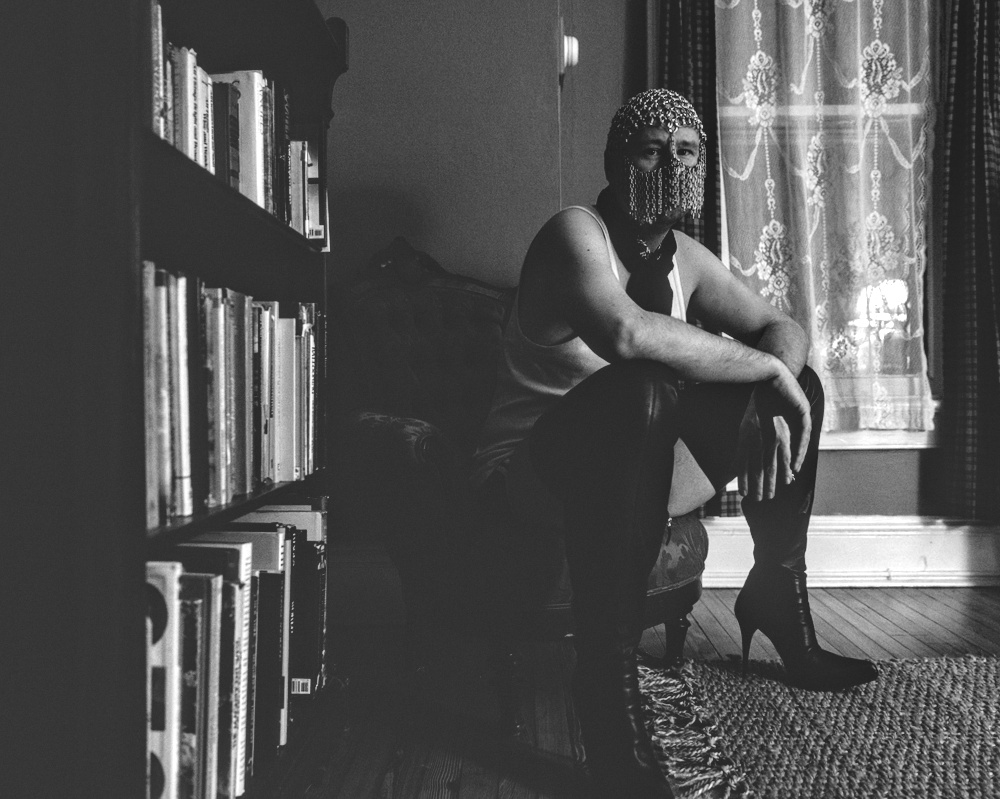
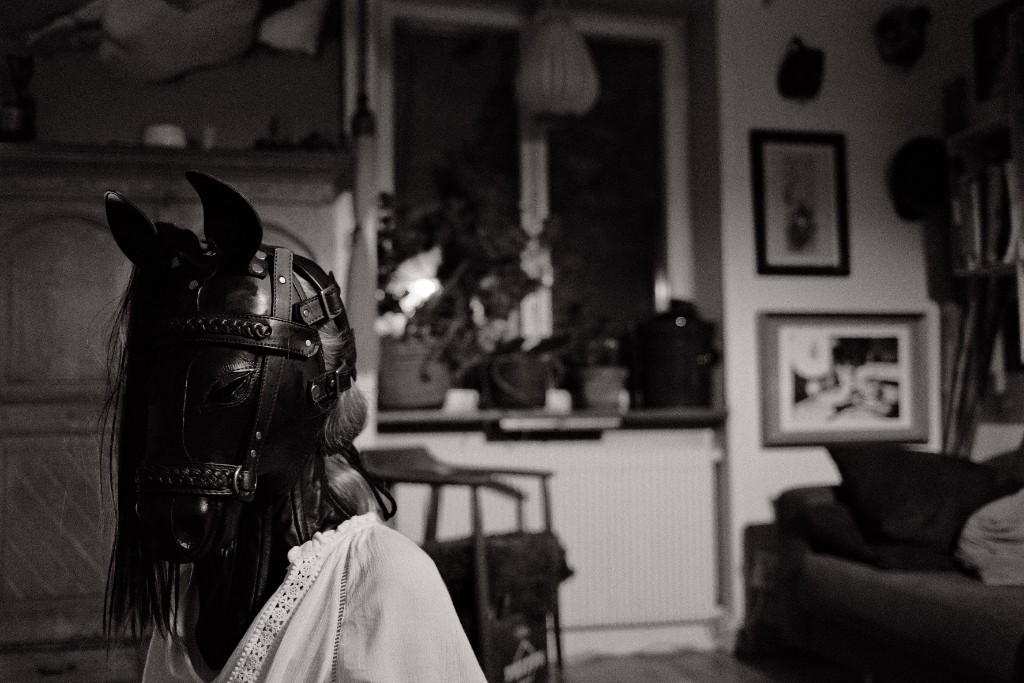
– something that transforms your face—like a carnival papier mache mask, home-knitted pink balaclava, or shiny black latex hood

– a handheld mirror (or other reflective surface)—for perceiving yourself as another

– a washing kit—containing a water container, washing cloth, soap and towel

– an item of consequence—like a headmistress’s whip, a headmaster’s cane, or a heavy wooden spoon

– a delicate item worthy of a (human) altar—something to balance that may not be broken

– something you love to be fed—plus a golden tray, a vintage dish or a dirty dog bowl for serving it

– an item of fetisch—forbidden and taboo but simultaneously exciting and liberating—an item of divine power

– three sets of basic black clothing—to be anonymous

40%
ROPE

30%
RITUAL

30%
SM

0%
PARTY

Est. 2023

Shame is the intensely painful feeling or experience of believing that we are flawed and therefore unworthy of love and belonging. And everyone’s got it.” —Brené Brown

Shame, more than laws, governs the world. A monopoly of external violence enforces the law, while shame is internally self-regulating. Very often, we are our own harshest judges and deem ourselves unlovable. But what if we are all wrong—especially when we hide it away and pretend that shame doesn’t exist?

Playing with shame is paradoxical because we consciously and consensually invite another into something very private. Hopefully, these debauched investigations, carefully witnessed, will melt our shields away like the peeling of a boiled artichoke heart. Then we realise that we are more lovable than our self-sabotaging and limiting beliefs would have us think. Kill it with love, and marvel at the process, they say.

Grace is required, as shame is a fleeting feeling. Too much force or violence only results in denial, blame, and justification. Too little, and we joke away an uncomfortable situation. Equally important is presence: staying with the hardships, being and belonging together, instead of hiding behind a mask of doing. Shame is like drooling; it requires trust and relaxation to activate the parasympathetic nervous system. It’s closer to crying—letting go and letting someone in. Spitting, on the other hand, is aggressive and defiant, leading only to martyrdom.

The journey is emotionally masochistic. Just as in physical masochism, shame raises arousal—blood rushing to reddening cheeks—and therefore marries well with esoteric eroticism. Many are also ashamed of their sexuality: for being too much, too slutty, or not enough—too prudish. The Madonna and the whore. This vulnerability is at the heart of my erotic rope bondage; by shaping and presenting the body, I touch the mind and soul. Physically challenging ties, partially suspended in the air, may serve to wear down the protective walls that we so desperately try to lower on our own—to let others in, to be vulnerable.

Closely related is humiliation—to be put below something, abandoning all pride, being made one with the earth’s dirt. Descending this abyss makes us humble toward those who deserve it—or perhaps toward life itself. Exposing the face that wears the dual crown of beauty and intellect—how we present ourselves to the world, in language and gesture. Expect clamped tongues, devious, seductive words, drips of drool, messy faces, and crucified bodies. But most of all, expect to be seen in your shame, your vulnerability, and your beauty.

What others say

I can shamelessly admit that Shame is my absolute favourite of Andy’s creations. It’s a course that touches upon the biggest societal and personal taboos and makes one experience many things that might have felt oh so shameful, bad, and wrong since childhood—but what if it’s okay? Because it is! This course is a deep dive into sacred, raw, playful intimacy in the safest possible space.

First, the workshop makes you analyze what exactly it is that makes you feel ashamed. The variety of exercises throughout the workshop days lets you figure out if it is having your body parts being exposed by ropes. Or maybe you have a hard time accepting that you want to be humiliated both physically and verbally or to treat someone like scum yourself.
How does it feel to shamelessly observe someone distorted but yet so beautiful in the tears you have caused them? In all that, you don’t have to take everything too seriously, either, but once you look straight into the bottom of Shame, it becomes fun, playful, and even very arousing.

Second, this course, for me, is a lot about witnessing. Over the workshop, you can safely observe yourself, your partner, or the whole group going through something deep and meaningful. Observing people facing their fears, desires, and taboos and how bravely they look into the hidden aspects of their lives and traumas has been the most rewarding experience. If you have a chance, I recommend sitting one or two exercises out and just witnessing what’s going around in the room. You’ll be amazed and in awe by this experience. Also, the shamed voyeur in you will be grateful.

Third, this course is the best way to experience what a safe space and a safe group of people really mean. It’s amazing how complete strangers come together, and within those 3-4 days, you get to know them more deeply than you have possibly known your family. I assure you, you get to laugh, maybe cry, share deeply, and feel encouraged to explore this sweet topic together. It always happens that the right people end up in this workshop. Long lunch breaks and well-chosen locations for this workshop will give you plenty of time to process and integrate and also enjoy solitude if that is what you need.

Andy stresses that he is not a therapist and his courses are not meant to be therapeutic, but somehow, people, including myself, always leave the course in a deeply content and expanded state. In addition to all the practical ties and use of tools and techniques that Andy will provide you, your mind will probably also be left with a lot to think about and possibly reconsider some things that are not that shameful after all. Heidi

Below is some inspiration for reading and packing in preparation for Shame.

– a strong stick—one-and-a-half meter long

– a gag—preferably a ball, or just something ball-like that fits your mouth, maybe an apple

– a mirror—preferably handheld

– a soothing item—a vintage hair brush, silky soft fabric, or your favourite plush animal

– a cloth pin—wood is a beautiful material

– a small decorative bowl—perhaps intended for tea or even a teacup

– a serving dish—could be a silver tray, your grandma’s porcelain, or a heavy wooden chopping board

– a square piece of fabric, Chinese silk folding fan, or glossy x-rated magazine from the 70s—for hiding behind/underneath

– a marker for writing on your skin—you decide how permanent, perhaps a lipstick

– six to nine ropes—plus suspension gear if you are fancy

In order to join any group process on the theme Shame you must know a basic single column tie, how to extend rope and basic rope handling skills. You can learn it in my Online School for free (or elsewhere).

The Beginner’s Mindset

I believe in the beginner’s mindset. That means that I see my practice as an art and craft, continuously in need of time and attention. There is no diploma to be hung on the wall at the end of the day, but rather a promise to return for more practice. Hence, what I practice and what I teach is more or less the same for the past decade. There are new variations and depths, but to an outsider, it might look just the same. It’s easier to be a beginner because everything is new, so the reward feels much bigger. Eventually, when you return to my teachings but don’t see anything new in yourself at the end, I’ll gladly give you your money back because you are probably ready to leave. There is a Japanese concept called Shu-Ha-Ri — to obey — to question — to leave — that captures this process of learning beautifully.

Obey

To obey is the peaceful and curious place to be. It requires almost zero previous experience or practical knowledge. You may be asked to spend a couple of hours reading a text or watching an online tutorial beforehand. The goal is to hold your hand tightly but still allow little detours and personal journies as you are introduced to the subject. You don’t have to know beforehand what you like and don’t like. You need no desires or fantasies. Instead, the teaching style will provide you with a smorgasbord of experiences to try, of which some you might love and others you might hate.

Question

To question requires the courage to know what you want. And that takes some practical knowledge. You are expected to have experience with how your body and mind react in vulnerable and intimate situations and how to communicate your boundaries. You also have an idea about the fantasies and desires that lead you to these explorations. You will probably also be introduced to new niche techniques and be given both practical training and time to play. The goal is to provide you with a journey where you can surprise yourself and hopefully question both your beliefs and my teachings on the subject.

Leave

To leave is the last step to becoming your own master. It requires you to have a practice of your own already. You are assumed to help others navigate consent, non-verbal communication, and all the grey zones that come with it. And have a sense of your traumas, triggers and possibly risky behaviours. Your exercises are more ritualistic and experimental and go on longer without breaking the play for snack breaks and check-ins. There is less focus on practical skills, as you are assumed to already have a big enough pallet to play, and instead, there is more emphasis on creating an environment for you to master your craft.

Sayōnara, ‘goodbye’
literally ‘if that’s the way it is’.

Rope Bondage

Japanese way of bondage

Shu-ha-ri; to obey, question and leave. Your muscle memory will be drilled in some repetitive patterns (probably inspired by the Japanese granddaddy of ropes, Yukimura) while the mind is left to question your personal story for playing out these sadomasochistic desires.

Modern European improvisations

Inspired by dance, theatre and bodywork, we will approach rope bondage as a listening practice. Listening to yourself, your partners, and the time and space around you. Attempting to dissect and recompose rope as an intimate bond between people.  

Exploring intimacy without sexuality

Everyone longs for intimacy, but it is often confused with sexuality. To fuck, as if that was the grand goal of all relationships. Learn to slow down, be more creative, and discover a myriad of other paths exploring intimacy.

Eastern and Western Eros

You will learn to create “a session” as a joint exploration of desires. We will work with defining identities, kinks and dynamics but also letting go of them and let passion rule. How much of your deviant self do you dear to express in your bondage?

Letting go of shame

If tight ropes and contorted body postures express physical masochism, then shame is the core of the emotional counterpart. Beauty, competence and elegance are all masks we wear to fit in. What if they are dropped or lovingly torn off to expose that raw, unfiltered you? 

Surrender as a strategy for life

People who learn to endure are more successful in capitalistic life. Google the marshmallow challenge. However, people that endure are also the ones who burn out, get emotionally numb, and often wonder if life hasn’t more to offer. Welcome to try surrendering instead.

Connecting to esoteric eroticism and therapy

What is a spiritual practice, and what is nourishing for the soul? Rope bondage takes most people on vulnerable and intimate journies. Of course, it can just be for funs, but it’s also possible to give your actions a deeper meaning through ritual, intention and dedication.

Sadomasochism

Pain, predicaments and (f)punishment

Pain is both highly personal and relational. No one can ever feel your pain, but the source of it is everything. Are you suffering in devotion, getting punished for being naughty, or finding yourself in an impossible predicament to the sadistic glee of your dominant?

Bodywork and breathwork

Prana, the word of breath in many esoteric teachings, translates to life force. Manipulating the breath, muscle tension, and body torsion transforms the experienced reality: yours or another. Learn how to integrate this into your sadomasochistic play.

Tripping without drugs on endorphins and dopamine

When receiving pain, the body, mind and soul face a fundamental choice: surrender with endorphins or resist with adrenaline. Learning to give and receive both physical and emotional pain to fly away on the endorphin tripp will keep you and your partners giggly happy for days.

Domination and submission

Mastering this fundamental polarity of sadomasochistic play gives the leather floggers and jute ropes a deeper meaning. And it can be so deceivingly simple: in the bend of a neck, a spine moved slightly out of balance, eyes attention gently directed. This elegant silence speaks louder than any violence.

Sadism and masochism

The sadist and masochist seduce each other with their passionate, wild desires. At some point, pain and pleasure merge as waves of intensity wash over the lovers. Everything becomes orgasmic intensity. Learning to trust, encouraging each other to let go and finding yourself there together is the key.

Philosophical ideas about power

Everything in the world is about sex, except sex. Sex is about power. Learning to play consciously and consensually with hierarchies makes us more resilient against them in everyday life. Sadomasochism is, in many ways, a theatrical parody that turns our hardships into excitement.

Fetishism, leather and rubber

Explore the symbolic realm of smells, textures and aesthetics. Let them overwhelm you, possess you, redefine you. Let these cults and cultures guide you. But also learn to respect them, as they likely have been around much longer than you and will still be there once you are gone.

Rituals

Tea and death ceremonies

Trauma and inquiry work

Playing with rejection and desire

Devotion to people and the mystery

Embodied meditations and dance

Long-term sensory deprivation

Exploring archetypes and symbols

Play Party

Discovering fantasies and taboos

Theatre and contact improvisation

Deconstruction of personality

Consent and boundary practices

Ensemble and group collaboration

Role-playing and mask possession

Temple spaces and ceremonies