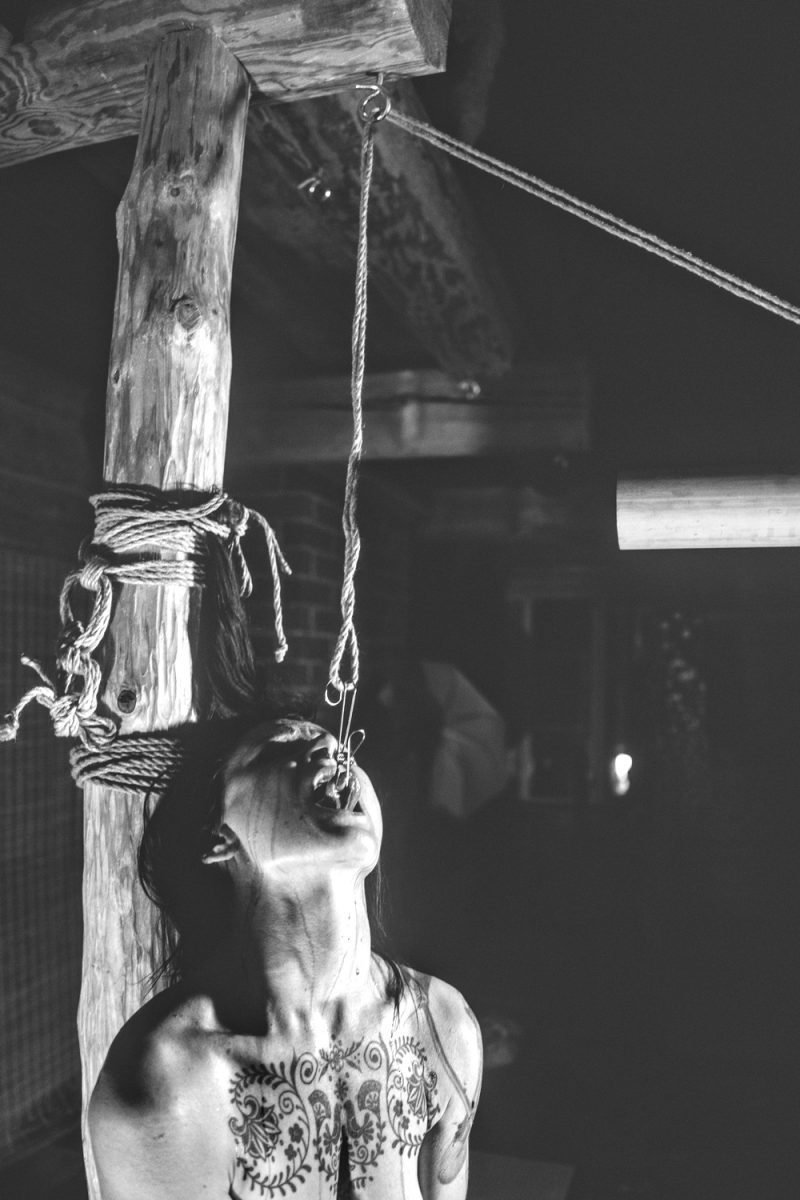
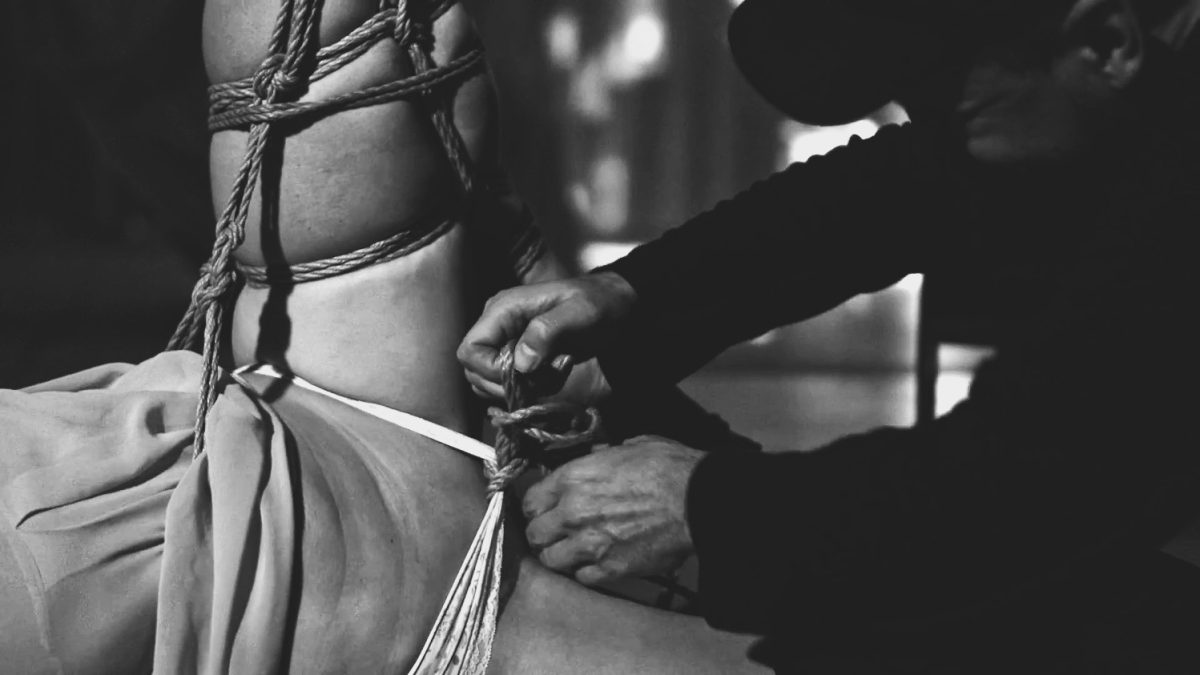
Participating in these group processes is intimate and vulnerable. It is always a balancing act between freedom and responsibility—or selfishness and self-sacrifice—or safety and bravery. Finding oneself in either extreme can result in paralyzing fear or traumatizing chaos. Dancing on this slackline of mystery is the fundamental skill we practice together.
In a way, we are playing a game of Jenga[1], where blocks balance in an intricate pattern—some are explicit rules, others are cultural norms, yet some are contradictory commandments. Shapes and forms differ between cultures and communities. Eastern Europe is very different from Scandinavia, which is again different from Japan, Brazil, New York City, and Berlin, which also differ widely from each other. There is no exact blueprint but a continuously woven social web of interactions. Yet, if enough blocks are compromised, the play will collapse, and people may be hurt.
For many of us, these human dances of life are evident and almost second nature. However, sometimes things, people, and even worlds fall out of balance and must gently (or violently)—but always lovingly— be guided back. Below are seven almost universal freedoms and responsibilities to help you navigate these intimate and vulnerable spaces.
1. Settle the score before you leave
To play, one must be vulnerable. To be vulnerable, one must trust. To trust, one must know that someone will help ‘settle the score’ when hardship happens—that you are not alone. Preferably all the persons involved in whatever happened. Listening, assuming accountability, and saying I’m sorry often go a long way. Sometimes more is needed, but at least by being there, you enable this process. Leaving without settling the score means unfinished business and long-term damage to the social web we are trying to weave.
2. Don’t kiss and tell
Also, to be vulnerable, one must trust that what I share with you—in words and actions—remains safe with you. You can always talk about your own experiences, what happened to you, and what you felt. But leave everyone else involved anonymous by not mentioning their names and being thoughtful with what details you reveal about them. To gain the trust of others, demonstrate that you don’t kiss and tell when retelling your grandiose adventures of the past, just as you won’t kiss and tell in the future when you speak about the plays of today.
3. Don’t cockblock vulnerability
Similarly, to be vulnerable, one must trust that vulnerability is met with respect. When uncomfortable with others’ vulnerability, one often tries to make the vulnerable moments disappear by arguing for solutions, diverting attention to silly jokes, playing the devil’s advocate or playing the overprotective saviour. If someone can express their vulnerability in a storm of intense emotions, watch them in awe—you likely have something to learn from them. You enable others’ vulnerability by being vulnerable yourself; you cockblock vulnerability by playing the tough guy who doesn’t give a shit about anything.
4. Welcome all your emotions
When I demonstrate a particular exercise, there will be an emotional, non-verbal dialogue with my assistant. Don’t try to copy our experience. Instead, have your own journey. For me, a group process is perfect when someone is laughing, another is crying, a third is moaning, a fourth is confused, and so on. Know that all parts of you are welcome.
5. No fucking charity
You’ll pair up in exercises, join trios and quadruplets, and do group rituals. Even if you promised someone beforehand, and it doesn’t feel right in the moment, listen to the latter. Don’t do things out of charity. I take pride in trying to provide structures where it’s easy to opt out without creating an awkward situation for anyone.
6. Play inside the play, not outside
During our group processes, we have moments inside and outside of play. And we have rituals, signs, and language to move in and out. Some examples are entering a circle to indicate our willingness to play, placing our arms across the chest for a break, kneeling as a sign of submission, and establishing eye contact before body contact. The exact semantics may change, but you must learn to distinguish and respect when play is happening and not. Inside, you may play with power, be seduced by it, revel in it, or rebel against it. Outside play, avoid being a macho or mothering dominant, as well as a helpless submissive or a assholish trickster.
7. Knowing, not knowing
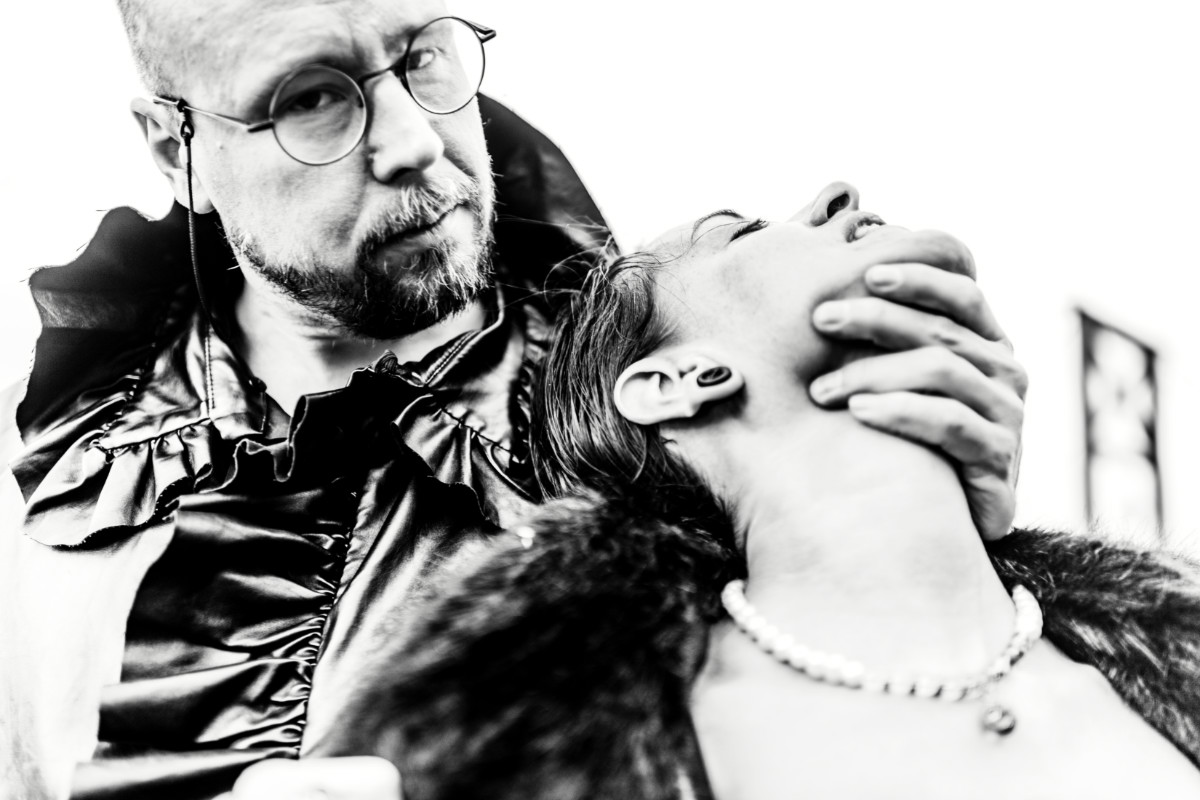
I’m not your Guru Buru, nor your mommy or daddy. If anything I say doesn’t make sense to you, don’t do it. Similarly, the group processes are appreciated because they focus on the philosophical, emotional, or spiritual aspects of the eros, not detailed teaching of techniques. Suppose a specific skill is foreign to you (like face slapping, choking, tying a rope around the neck, pushing trigger points in the diaphragm, guiding the spine through twisting the neck, etc.); it is your responsibility to acknowledge this. Recognising the unknown can be tricky, but it’s an essential meta-skill to manage risk-taking in your play. However, the exact technique is often not the main point, so you can ask me for an alternative or simply do your own thing. Sometimes, I’ll also have time to guide you step-by-step. You can also ask before attending if you are worried that your previous experience isn’t enough.
If this text seems complicated to you, you likely have a lot to learn from sharing intimate and vulnerable experiences in a group. Please notify the organizers if this is the case so I can keep an extra eye on you. If you have any questions or concerns, feel free to ask beforehand or during the group process itself. If you have a lot of previous experience or a more senior position in the group, I will have higher expectations of you to act as a role model. If you are new and insecure, you’ll likely have more leeway to learn our culture. If you are deemed unable or unwilling to comply, you will likely be asked to adjust your behaviour or leave the group process entirely.
[1] Jenga is a kids’ game where players take turns removing one block at a time from a tower constructed of 54 blocks. Each block removed is then placed on top of the tower, creating a progressively more unstable structure. The game ends when the tower falls over.